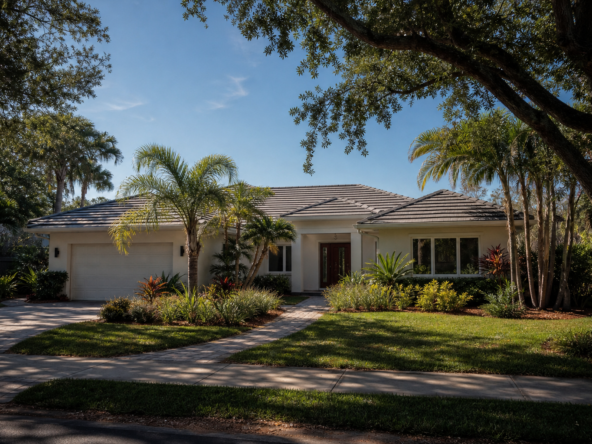
Pinellas County coastal homeowners can significantly reduce hurricane damage by understanding their flood zone designation, hardening their structure to Florida Building Code standards, securing proper insurance before storm season, and following county-specific evacuation and preparation protocols.
What do Pinellas County coastal homeowners need to know about hurricane resilience?
Pinellas County sits on a peninsula surrounded by Tampa Bay and the Gulf of Mexico, making it one of Florida’s most hurricane-exposed counties. Coastal homeowners here need to address flood zone designations, Florida Building Code compliance, wind mitigation, and insurance coverage well before a named storm forms, not after the forecast cone appears on the news.
I’ve been selling waterfront and coastal homes since 2004. I’ve watched storms wobble, I’ve watched deals fall apart over last-minute insurance surprises, and I’ve watched sellers lose serious money because they never got ahead of the resilience conversation. This post is everything I walk my clients through before they buy, sell, or simply button up a coastal property for the season.
Know Your Flood Zone Before You Do Anything Else
Your flood zone is one of the first things to understand about a coastal property in Pinellas County. It can affect building and permitting requirements, lender flood-insurance requirements, and how you evaluate the property’s overall flood exposure.
FEMA’s National Flood Insurance Program maps Pinellas County properties into several Special Flood Hazard Areas (SFHAs). The most common ones you’ll encounter on the coast are Zone AE (high-risk, with a calculated base flood elevation) and Zone VE (the highest-risk coastal zone, subject to wave action on top of surge). If you’re in a VE zone, the structural requirements for your home are significantly more demanding than AE, and the insurance costs reflect that.
Pinellas County’s Floodplain Management program administers the county’s participation in FEMA’s Community Rating System (CRS). Because Pinellas County maintains a strong CRS classification, property owners who carry National Flood Insurance Program (NFIP) policies can qualify for discounts on their flood insurance premiums. That discount is worth knowing about, ask your insurance agent whether your policy reflects the current CRS rating for your specific community within the county.
One thing I tell every buyer looking at waterfront in Palm Harbor, Dunedin, or Safety Harbor: ask for the Elevation Certificate before you make an offer, not after. The Elevation Certificate documents how your home sits relative to the Base Flood Elevation (BFE) and is worth reviewing for permitting history, floodplain compliance, and private flood insurance quoting purposes. Note that FEMA’s Risk Rating 2.0, which took effect in October 2021, changed how NFIP policies are priced. NFIP premiums are no longer calculated primarily from the Elevation Certificate. FEMA now uses a broader set of property-specific risk factors including distance to water, flood frequency, and replacement cost. If the seller doesn’t have an Elevation Certificate on file, that’s worth flagging, but it’s not your expense to absorb as a buyer.
Evacuation Zones Are Not the Same as Flood Zones
This is one of the most common points of confusion I see with buyers new to coastal Florida. Pinellas County Emergency Management uses a separate lettered evacuation zone system (Zones A through E, plus non-evacuation areas) based on storm-surge vulnerability, not FEMA flood maps. Zone A represents areas most vulnerable to storm surge and includes many barrier-island and low-lying coastal locations. Knowing your evacuation zone tells you when the county will order you out, and in Pinellas, those orders come fast once a major storm organizes in the Gulf.
You can look up your evacuation zone using the Pinellas County Know Your Zone tool. Do it now, before you need it.
Structural Hardening: What Actually Protects a Coastal Home
Florida’s Florida Building Code is among the most stringent in the country for wind resistance. Homes built under newer editions of the Florida Building Code may incorporate stronger wind-resistance requirements than many older homes, although the actual protection varies by property, construction method, roof system, openings, and subsequent improvements. Here’s what I advise clients to evaluate on any coastal property:
Roof System
The roof is where most hurricane damage begins. A hip roof (all four sides slope down to the walls) performs significantly better in high winds than a gable roof. Beyond roof shape, the connection between your roof deck and your walls matters enormously. Hurricane straps or clips, metal connectors that tie the roof framing to the wall framing, are a code requirement on new construction and a worthwhile retrofit on older homes. A licensed wind mitigation inspector can document what your home has, which directly affects your windstorm insurance premium.
Roof covering matters too. Florida’s Chief Financial Officer’s office notes that secondary water resistance (a self-adhering underlayment beneath the shingles or tiles) is one of the most effective barriers against water intrusion when a roof covering is compromised. If your roof is approaching the end of its useful life, replacing it before storm season, not during, is the right call.
Windows, Doors, and Garage Doors
Impact-resistant windows and doors that are properly rated and approved for the home’s location and required design pressures can provide excellent protection for coastal Pinellas properties. If you have older windows, hurricane shutters (accordion, panel, or roll-down) are a legitimate alternative, but they have to be installed, rated, and actually deployed before the storm arrives. A garage door is statistically one of the most common failure points in a hurricane; if yours isn’t rated for wind load, a bracing kit or replacement is a smart investment. The Insurance Institute for Business and Home Safety (IBHS) publishes research-backed guidance on opening protection that goes beyond minimum code.
Elevation and Foundation
For homes in AE and VE flood zones, elevation above the Base Flood Elevation is the single most effective structural mitigation. Homes in VE zones face stricter coastal construction requirements because of wave action. New and substantially improved structures generally must be elevated on compliant foundations, with tightly regulated uses and construction below the elevated lowest floor. If you’re considering a renovation or addition on a coastal property, understand that Pinellas County’s substantial improvement rules may trigger a requirement to bring the entire structure into current flood zone compliance, this is a conversation to have with a contractor and the county before you pull permits.
Wind Mitigation Inspection
A Florida-licensed wind mitigation inspector evaluates your home’s construction features and produces a report that your insurance carrier uses to calculate your windstorm premium. Florida’s Department of Financial Services requires insurers to offer discounts based on verified wind mitigation features. The inspection typically costs a few hundred dollars and can save you significantly more than that annually on your Citizens or private market windstorm policy. Every coastal homeowner in Pinellas should have a current one on file.
| Feature | Why It Matters for Coastal Pinellas | Insurance / Financial Impact |
|---|---|---|
| Hip roof | Sheds wind more efficiently than gable roofs | Can qualify for windstorm premium discount |
| Hurricane straps / clips | Keeps roof attached to walls in high winds | Documented by wind mitigation inspector |
| Impact windows and doors | Maintains building envelope integrity | Reduces windstorm and contents exposure |
| Elevation above BFE | Reduces flood damage and wave action exposure | Lowers NFIP flood insurance premium |
| Secondary water resistance | Prevents water intrusion if roof covering fails | Documented by wind mitigation inspector |
| Rated garage door | Prevents catastrophic structural failure | Required for full wind mitigation credit |
Insurance: The Part Nobody Wants to Deal With Until It’s Too Late
I’ll be blunt: the insurance landscape in Florida has changed dramatically, and coastal Pinellas homeowners who haven’t reviewed their policies recently may be sitting on coverage gaps they don’t know about. Several major private insurers have reduced or eliminated their Florida coastal exposure over the past few years, pushing more homeowners toward Citizens Property Insurance Corporation, Florida’s insurer of last resort.
Here’s what every coastal homeowner needs to verify:
- Windstorm coverage: Confirm your policy covers wind damage and check whether your deductible is a flat dollar amount or a percentage of your insured value. Hurricane deductibles in Florida are often 2% or 5% of the dwelling coverage limit, on a high-value coastal home, that’s a significant out-of-pocket exposure.
- Flood insurance: Your homeowners policy almost certainly does not cover flood damage. You need a separate NFIP policy or a private flood policy. There is a 30-day waiting period on new NFIP policies, you cannot buy flood insurance when a storm is already named and heading toward Pinellas County.
- Replacement cost vs. actual cash value: Make sure your dwelling coverage is replacement cost, not actual cash value. In a post-storm environment where construction costs are elevated, actual cash value leaves a significant gap.
- Contents and additional living expenses: If a major storm displaces you, additional living expense coverage pays for temporary housing. Confirm your limits are realistic for the Pinellas rental market.
Don’t wait until a storm is approaching to review your flood and homeowners insurance. I’ve watched too many deals wobble, and too many homeowners get blindsided, over last-minute insurance surprises. Review your policies in the late winter or early spring, before the Atlantic hurricane season officially begins on June 1.
If you’re shopping for a coastal property and the insurance picture is unclear, I’d also point you to my Florida Hurricane Prep Guide and Homeowner Checklist, it walks through the pre-purchase insurance questions I run through with every buyer.
Frequently Asked Questions
How do I find my flood zone and evacuation zone in Pinellas County?
These are two separate designations. Your FEMA flood zone is shown on the FEMA Flood Map Service Center using your property address. Your Pinellas County evacuation zone is found using the county’s Know Your Zone tool. Both matter: the flood zone drives your insurance requirements, and the evacuation zone tells you when you need to leave before a storm makes landfall.
Does a wind mitigation inspection actually lower my insurance premium in Florida?
Yes, and often significantly. Florida law requires insurers to provide premium discounts based on verified wind mitigation features documented in a licensed inspector’s report. Features like a hip roof, hurricane straps, and impact-rated openings all contribute to the discount. The inspection itself is a modest cost and typically pays for itself many times over in annual premium savings on a coastal Pinellas property.
What is the 30-day waiting period for flood insurance and why does it matter?
New NFIP flood policies generally have a 30-day waiting period before coverage takes effect, although important exceptions apply, including certain policies obtained in connection with a mortgage loan. Coastal homeowners in Pinellas County should carry flood insurance year-round and review it annually, not scramble to buy it when a hurricane is already in the Gulf.
What is a substantial improvement and why does it matter for coastal renovations?
Floodplain rules can significantly affect renovations and repairs to homes in Special Flood Hazard Areas. Pinellas County currently applies what it describes as the ‘49% rule,’ which compares qualifying improvement or repair costs with the market value of the building or structure, excluding land and certain other improvements. Because the calculation and requirements can vary depending on the property and jurisdiction, owners should confirm the applicable rules with the local building or floodplain authority before beginning a major renovation
Is Citizens Property Insurance my only option for coastal coverage in Pinellas County?
Citizens Property Insurance is Florida’s insurer of last resort, but it is not necessarily your only option. A licensed Florida insurance agent who specializes in coastal properties can shop private market carriers who still write in Pinellas County. That said, the private market has tightened considerably in recent years, and some coastal properties, particularly those in VE zones or with older roofs, may find Citizens is their most accessible option. Get multiple quotes and review coverage terms carefully, not just the premium.
The Bottom Line
Living on the water in Pinellas County is genuinely wonderful, and it comes with real responsibilities. Knowing your flood zone, hardening your home’s structure, carrying the right insurance, and having a clear evacuation plan are not optional extras for coastal homeowners here. They’re the foundation of protecting the asset and the lifestyle you’ve invested in.
If you’re buying, selling, or just trying to figure out what your coastal property is actually exposed to, I’m happy to walk through it with you. I’ve been doing this here for over 20 years, and I’ll give you the honest picture, not the one that just sounds good. Let’s chat and make sure you’re protected before the next storm season demands it.
You might also find these resources helpful as you prepare: my post on protecting your home during wild weather swings in Palm Harbor covers the day-to-day maintenance side of coastal ownership that often gets overlooked between named storms.
Equal Housing Opportunity. Amanda Lebiszczak holds a full Florida Broker’s License (licensed since 2004) and is regulated by the Florida Real Estate Commission. This article is general information only, not legal, tax, financial, or insurance advice. Confirm your specific coverage, flood zone designation, and property compliance requirements with your attorney, insurance professional, lender, or Pinellas County directly.