The Tiny $2 Electrical Panel Issue That Can Cause a Big Florida Insurance Headache
If you own an older Florida home, there is a decent chance you’ve heard of a four-point inspection.
Roof. Electrical. Plumbing. HVAC.
Seems simple enough.
Except lately, I’m seeing inspectors flag things that make homeowners say:
Wait… THAT matters?
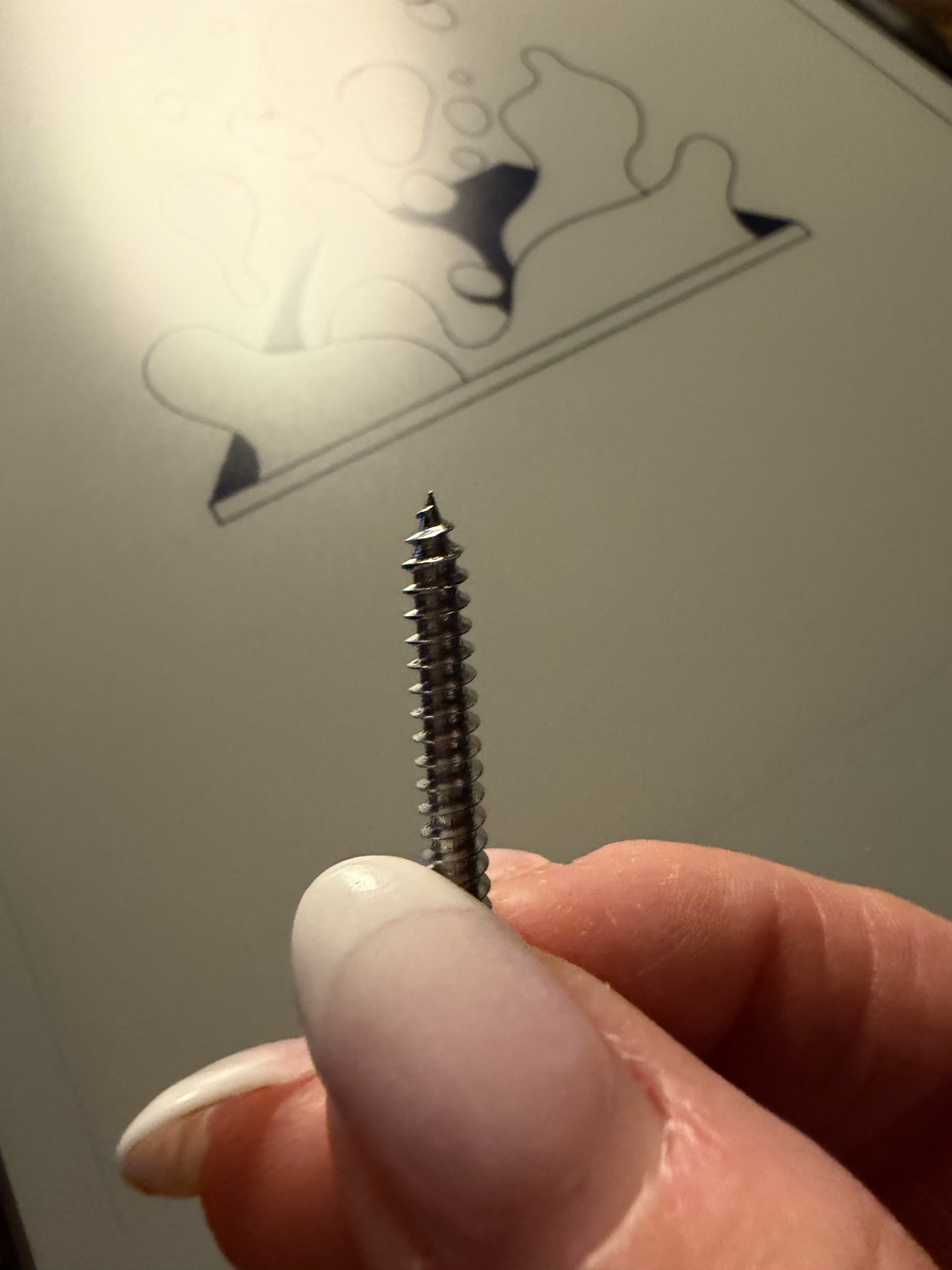
Case in point: a tiny pointed screw on an electrical panel cover.
Yes. A screw.
And yes, this is where I get to say that apparently, you really can get screwed by your four-point inspection. 😂
Why Would an Electrical Panel Screw Matter?
The concern isn’t that the screw looks wrong.
It’s that a sharp or overly long screw used on the electrical panel cover could potentially make contact with wiring behind the panel.
That’s the kind of seemingly tiny detail an inspector may document as a safety concern.
And once something shows up as a deficiency on an insurance inspection, it may need to be evaluated or corrected before an insurance company is comfortable with the property.
Florida insurers use four-point inspections to evaluate the condition of four major systems: the roof, electrical, plumbing and HVAC systems. Individual insurance companies can have different underwriting guidelines, so what one carrier accepts isn’t necessarily what another will accept.
And no, this does not mean I want you opening your electrical panel and checking the screws yourself.
Please don’t.
If something is flagged inside the panel, have a licensed electrician evaluate it.
This Is Why Four-Point Inspections Can Surprise Sellers
Most homeowners think an insurance inspection is looking for major problems.
A leaking roof.
Ancient plumbing.
An air conditioner that barely works.
And of course those things can matter.
But inspectors are documenting the details of these systems, and underwriting may care about things you’ve lived with for years without giving them a second thought.
That’s what catches homeowners off guard.
You may have owned the house for 15 years.
Everything works.
You’ve never had a problem.
Then a buyer goes to insure the property and suddenly everyone is talking about your water heater, electrical panel, roof patches or plumbing.
Welcome to Florida real estate. 😂
And It Isn’t Just the Electrical Panel
One reason I created my Florida Four-Point Survival Guide is because the screw is only one example.
There are several things I’m seeing homeowners get surprised by.
Your Water Heater Gets More Attention Than You Might Expect
Citizens’ current four-point requirements specifically include photos of the water heater, and its updated inspection form also requires a photo showing the temperature-pressure relief valve.
In real-world transactions, I’m also seeing the age and condition of water heaters become an underwriting concern with some carriers.
That does not mean there is one universal Florida rule saying your water heater must be replaced at a certain age.
There isn’t.
But it absolutely means this is one of those things I want to know about before we are three days into a buyer’s inspection period.
Your Roof Can Be Fine and Still Get Scrutinized
Roof age is another huge one.
Florida law provides some protection from insurers refusing coverage solely because of roof age. For roofs 15 years or older, homeowners must be allowed to obtain an authorized inspection, and an insurer cannot refuse to issue or renew a policy solely because of age if that inspection shows at least five years of remaining useful life.
Citizens has its own eligibility requirements as well. Currently, certain older roofs require documentation showing at least five years of remaining useful life.
And then there’s something homeowners almost never think about:
Roof repairs and patches.
A roof does not necessarily have to be leaking for an insurer to start asking questions about its condition.
This is why I tell sellers not to assume:
“The roof has never leaked, so we’re good.”
Maybe.
But let’s find out before the buyer does.
Plumbing Can Create Its Own Set of Problems
Older plumbing is another area worth understanding before you sell.
Citizens, for example, currently lists polybutylene plumbing as an unacceptable condition for coverage, along with active leaks, unrepaired water damage or plumbing that is not in good working order.
That doesn’t mean every insurance carrier has identical rules.
They don’t.
But if you have an older home, partial repiping, unusual plumbing materials or work done over the years, I want to understand what we’re working with ahead of time.
Because once again:
Options are good. Surprises under contract are not.
The Best Time to Find This Stuff Is Before You Have a Buyer
This is really the bigger point.
When I’m helping someone prepare a home to sell, I am not trying to turn the house into a brand-new house.
And I’m definitely not suggesting that every seller start replacing perfectly functional systems just in case.
What I want is information.
If we discover something early, we can decide what makes sense.
Maybe we repair it.
Maybe we have a licensed professional document it.
Maybe we speak with an insurance agent.
Maybe we determine it isn’t actually an issue at all.
But now we’re making a thoughtful decision instead of reacting to a problem while a buyer, inspector, lender and closing date are all involved.
That’s a much better position to be in.
Want the Rest of the Weird Things I’m Seeing?
I put together a Florida Four-Point Survival Guide with some of the small — and sometimes ridiculous — things I’m seeing create insurance headaches for Florida homeowners.
It covers things including:
- Electrical panel issues
- Water heater concerns
- Roof age and condition
- Roof patches
- Plumbing and repiping
- Older electrical equipment
- A quick homeowner checklist before an inspection
Get the Free Florida Four-Point Survival Guide
I’ll email you the guide immediately. And no, I’m not going to start emailing you every Tuesday about mortgage rates. 😂
Thinking About Selling in the Next Year or Two?
One of the biggest mistakes I see homeowners make is waiting until they’re ready to list before bringing their Realtor into the conversation.
You do not need to be ready to sell before we talk.
In fact, I’d rather come over six months too early than two weeks too late.
We can look at the house, talk about what buyers at your price point are likely to care about, identify anything that may deserve attention and — equally important — talk about the things I wouldn’t spend money fixing.
The goal isn’t to make your house perfect.
It’s to make a smart plan.
If you’re in Palm Harbor, Ozona, Dunedin, Tarpon Springs, Safety Harbor, East Lake or the surrounding North Pinellas area and selling is somewhere on your radar, you’re always welcome to reach out.
Amanda Lebiszczak
The Pretty House Team
Exceptional Service. Proven Results.